Vitamin B3 Benefits: From Skin Glow to Cellular Repair
NUTRITION

Vitamin B3, often overshadowed by flashier nutrients, plays a surprisingly powerful role in our overall health. Also known as niacin or niacinamide (depending on the form), it is essential for metabolism, energy production, skin resilience, and DNA repair. Recent studies even suggest Vitamin B3 may help reduce the risk of certain skin cancers and liver tumors, making it an intriguing nutrient for anyone passionate about holistic wellness.
What Is Vitamin B3?
Vitamin B3 is a collective term for nicotinic acid (niacin) and nicotinamide (niacinamide). Both are water-soluble B vitamins that the body uses to create two crucial coenzymes - NAD (nicotinamide adenine dinucleotide) and NADP - essential for hundreds of cellular processes, including converting food into energy and repairing DNA damage.
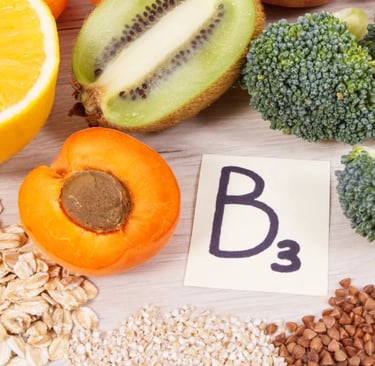
Vitamin B3 can be obtained from foods such as poultry, fish, beef liver, nuts, legumes, and whole grains. The recommended daily intake is around 14 mg for women and 16 mg for men, though therapeutic use in research often involves higher doses under medical supervision.
How Vitamin B3 Works in the Body
At the cellular level, Vitamin B3 is a biochemical powerhouse. It contributes to:
Energy production: NAD and NADP act as electron carriers, turning food into usable energy.
DNA repair and stability: NAD fuels enzymes that repair genetic damage, making it critical for long-term cellular health.
Skin barrier and inflammation control: Niacinamide strengthens the skin barrier, reduces water loss, and helps regulate inflammation.
UV damage response: Nicotinamide protects cells from UV-induced energy loss and immune suppression — a key mechanism in preventing skin aging and skin cancers.
Research Spotlight: Skin Cancer Prevention
In recent years, Vitamin B3 has gained attention for its potential to reduce skin cancer risk. Several studies highlight its protective effects:
A large Veterans Affairs study (JAMA Dermatology, 2024) found that taking 500 mg of nicotinamide twice daily for more than 30 days reduced new skin cancer risk by 14% overall, and by 54% when started after the first skin cancer diagnosis.
A randomized controlled trial (New England Journal of Medicine, 2015) showed that high-risk individuals taking nicotinamide had 11% less actinic keratoses (precancerous lesions) at 3 months, and 15% less at 12 months compared to placebo.
Research (Snaidr et al., 2019) confirmed that nicotinamide helps repair cellular damage from UV exposure by restoring ATP levels and supporting DNA repair. Specifically, UV radiation can deplete a cell's energy supply (ATP), which is crucial for processes like DNA repair. By preventing this ATP depletion, nicotinamide makes more energy available for the cell to effectively repair the DNA damage caused by UV radiation.
Beyond the Skin: Liver and Metabolic Health
Vitamin B3’s influence extends beyond the skin. Studies suggest niacin and nicotinamide support liver health by improving energy metabolism and protecting against oxidative stress. Research published in Cell Reports Medicine (2024) indicates that B3’s role in NAD metabolism could help prevent liver tumor development by supporting healthy liver regeneration and detoxification processes.
Niacin has also been used for decades to improve cholesterol balance - raising HDL (the “good” cholesterol) and lowering triglycerides. Although high-dose niacin therapy is less common today due to potential side effects, its influence on lipid metabolism remains an important discovery.
Vitamin B3 and Skin Aging
Topical and oral nicotinamide have both been shown to improve the appearance and function of the skin. It enhances hydration, reduces fine lines, and lightens hyperpigmentation by supporting the skin barrier and calming inflammation. This makes Vitamin B3 a favorite ingredient in dermatology and natural skincare science alike.
Signs of Too Much or Too Little Vitamin B3
Deficiency (Pellagra):
Symptoms: fatigue, loss of appetite, rough or scaly skin, mouth inflammation, diarrhea, depression, confusion, and in severe cases dementia.
Effects: if untreated, can cause serious neurological and digestive damage. It’s often described by the “three D’s” — dermatitis, diarrhea, and dementia.
Mild Deficiency:
Symptoms: low energy, poor focus, anxiety, headaches, skin sensitivity.
Effects: often improves quickly with a balanced diet or a B-complex supplement.
Excess Niacin (usually above 500 mg/day):
Symptoms: skin flushing, itching, nausea, dizziness, heart palpitations, liver strain, and possible increase in uric acid or blood sugar.
Effects: usually reversible when dosage is lowered or when switching to nicotinamide. Always use high doses only under medical supervision.
Excess Nicotinamide (usually above 2000 mg/day):
Symptoms: nausea, vomiting, fatigue, mild elevation of liver enzymes.
Effects: rare but possible with long-term, high-dose supplementation.
Too little Vitamin B3 can deplete your energy and mood, while too much may burden your liver. A nutrient-rich diet typically provides all the B3 your body needs for healthy skin, stable energy, and optimal metabolism.
How to Incorporate Vitamin B3
For most people, a balanced diet provides enough Vitamin B3. However, those with high sun exposure, metabolic stress, or early skin damage might benefit from additional support.
Natural sources: tuna, salmon, turkey, peanuts, lentils, whole grains, mushrooms.
Supplementation: Nicotinamide 500 mg twice daily has been used safely in studies for skin protection - always do a blood test and consult a doctor or nutritionist before starting high-dose use.
Topical use: Many creams and serums contain 2–5% niacinamide to improve barrier function and texture.
Safety and Precautions
While niacin and nicotinamide are generally safe, very high doses (especially of niacin) can cause flushing, dizziness, and liver strain. Always consult your healthcare provider if you have liver disease, diabetes, gout, or are pregnant before using high-dose Vitamin B3.
Supplement safety tips - what to look for:
Forms & labeling: Choose supplements labeled as nicotinamide/niacinamide (for skin health and general wellness) or niacin/nicotinic acid (for cholesterol support). Avoid “no-flush” niacin with inositol hexanicotinate, as it may be less effective.
Maximum safe amounts:
Niacin (nicotinic acid): up to 35 mg/day for healthy adults; higher only under medical supervision.
Nicotinamide/niacinamide: typically safe up to 1500 mg/day; doses up to 1000 mg twice daily have been studied short-term in clinical trials.
NAD+ or NMN precursors: follow brand-specific dosage guidance, usually 250–500 mg/day.
Quality matters: Look for supplements that are third-party tested, non-GMO, and free from unnecessary fillers or artificial colors.
Synergistic nutrients: B3 works best with other B-complex vitamins, magnesium, and antioxidants like vitamin C and zinc.
Final Thoughts
Vitamin B3 may be unsung, but it’s mighty. From helping our cells repair DNA, manage energy, to supporting skin resilience and possibly reducing certain cancer risks, it deserves a spot in your wellness toolkit. The key is to view it not as a magic pill but as part of a holistic lifestyle: diet, sleep, movement, stress-management, and skin protection. If you choose to include supplementation, choose the right form, use the right dose, and align it with your broader wellness strategy.
Thank you for taking the time to read our blog post! Delve deeper into our website where you'll find a treasure trove of informative articles on nutrition, wellness, and supplementation. Each post is designed to empower you with knowledge and help you make informed decisions about your health.
If you're considering integrating B3 supplements into your daily routine and need personalized guidance, we invite you to book a session with us. Our team of professionals is dedicated to providing expert advice and support to help you achieve your health goals. Your health is important to us, and we look forward to supporting you on this path.